AI Video Social Media Controversy
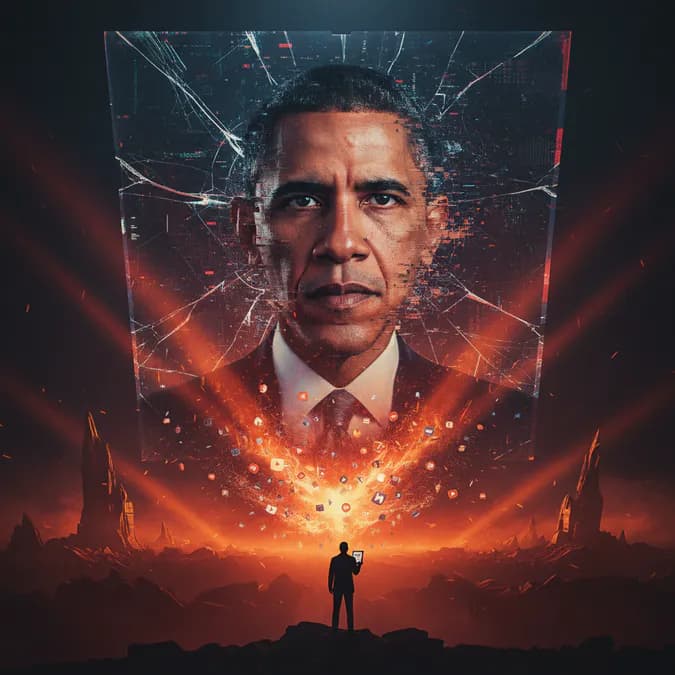
In a recent incident that has sparked widespread outrage, former President Barack Obama addressed an AI-generated video shared on Donald Trump's Truth Social account, which depicted him and former First Lady Michelle Obama as apes. Obama described the video as 'deeply troubling' and criticized the state of social media platforms, labeling them a 'clown show.' This incident underscores si
The controversy surrounding AI video social media is not just about the content but also about the broader implications for society. The ability to create and disseminate AI-generated videos raises ethical questions about accountability and the potential for harm. As AI technology evolves, so too does the need for robust guidelines to prevent misuse.
Racial Discrimination in Digital Media
The incident involving the AI-generated video serves as a critical case study in the ongoing dialogue about racial discrimination in digital media. As AI video social media continues to evolve, it is essential to examine how these technologies can both reflect and shape societal attitudes. The portrayal of the Obamas in a derogatory manner is not an isolated incident but part of a broader trend where AI-generated content can perpetuate harmful stereotypes.
The implications of AI video social media extend beyond individual incidents, raising questions about the ethical responsibilities of content creators and social media platforms. The potential for AI to create misleading or harmful content necessitates a proactive approach to regulation and accountability. Social media platforms must prioritize ethical considerations in their content moderation policies to prevent the spread of harmful narratives.
Obama's reaction highlights ongoing issues of racial discrimination, particularly in how AI technologies can perpetuate harmful stereotypes. The use of AI to create derogatory images is not jusa technical issue; it reflects deeper societal biases that can be amplified through digital media. The portrayal of Black individuals in dehumanizing ways is a long-standing issue that continues to manifest in various forms, including this recent incident involving AI video social media.
Experts argue that the implications of AI-generated content extend beyond individual incidents. a social media strategist in digital media ethics, states, "The misuse of AI in social media can perpetuate harmful stereotypes and reinforce systemic racism. It is crucial for platforms to take responsibility for the content they host."
Impact of AI-Generated Content
The rise of AI video social media poses unique challenges for society. While AI technology can be used for creative and constructive purposes, its misuse can lead to harmful narratives and misinformation. According to a report by Pew Research, 70% of Americans believe that social media platforms should be more responsible for the content shared on their sites. This sentiment is echoed in Obama's criticism of the current state of social media, which he describes as a chaotic environment lacking accountability.
The incident also reflects the broader dynamics of political discourse on social media. Trump's Truth Social platform has become a space for controversial content, often blurring the lines between humor and hate speech. This incident raises questions about the role of political figures in shaping the narratives that circulate on social media and the impact these narratives have on public perception.
As social media continues to evolve, it is crucial for users, platforms, and policymakers to engage in discussions about the ethical implications of AI technologies and the responsibility that comes with their use. The Obama incident serves as a call to action for more rigorous standards and accountability in the digital space.
The Role of AI Video Social Media in Modern Discourse
The conversation surrounding AI video social media is essential for understanding how technology interacts with societal norms. The ability to manipulate video content using AI tools raises questions about authenticity and trust in media. As misinformation spreads, the need for critical media literacy becomes increasingly important.
In light of these developments, it is vital for educators and policymakers to promote awareness about the implications of AI-generated content. This includes fostering discussions around media literacy and the ethical use of technology in digital spaces. By prioritizing education on these topics, we can empower individuals to critically evaluate the content they encounter online.
Key Takeaways
- Barack Obama condemned an AI-generated video depicting him and Michelle Obama in a derogatory manner.
- The incident raises significant concerns about racial discrimination and the responsibility of social media platforms.
- AI video social media can perpetuate harmful stereotypes and misinformation.
- There is a growing call for accountability and regulation in the use of AI technologies.
FAQ
What was the AI video that Barack Obama condemned?
The AI video depicted Barack and Michelle Obama as apes and was shared on Donald Trump's Truth Social account.
Why is the AI video controversial?
The video is controversial because it perpetuates racial stereotypes and highlights the misuse of AI technology in social media.
What are the implications of AI-generated content in social media?
AI-generated content can lead to harmful narratives, misinformation, and perpetuation of societal biases, necessitating responsible regulation by social media platforms.
Sources
- Deadline - Coverage of Obama's condemnation of the AI video.
The ongoing dialogue about AI video social media is crucial for understanding the intersection of technology, race, and ethics. As we navigate this complex landscape, it is imperative to advocate for responsible practices and hold platforms accountable for the content they disseminate. The need for ethical guidelines and accountability in AI video social media is more pressing than ever, as we strive to create a digital environment that respects and uplifts all individuals.