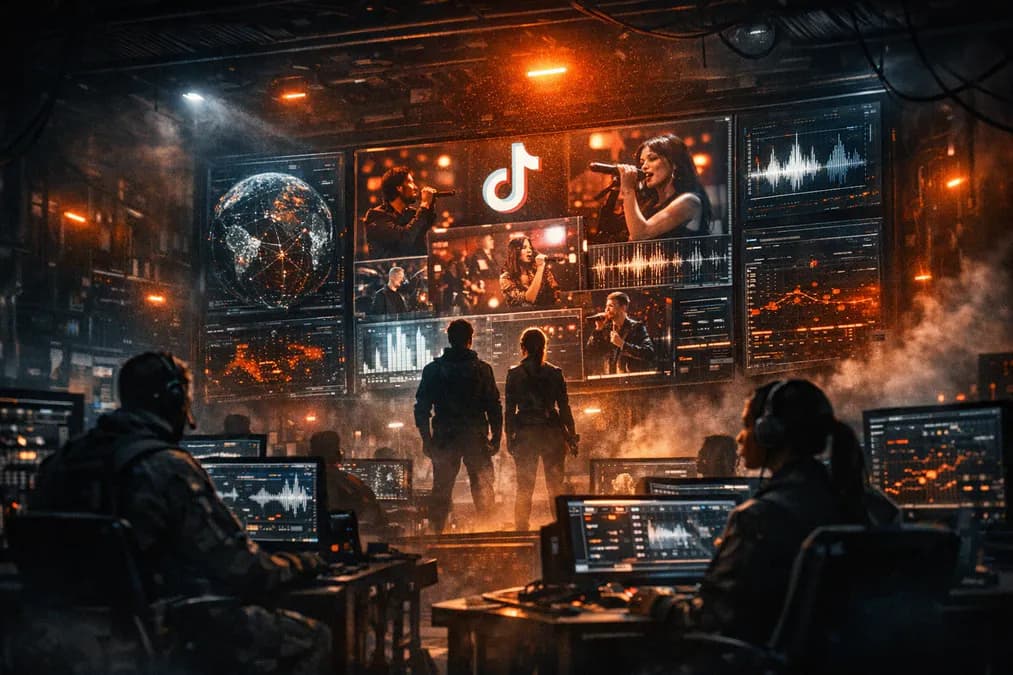
The internet has a peculiar relationship with nostalgia, and in early 2026, social media platforms are experiencing a full-blown throwback moment. The trending phrase '2026 Is The New 2016' has captured the imagination of millions of TikTok and Instagram users, sparking conversations about simpler times, digital culture evolution, and what we've lost—and gained—over the past decade.
Understanding the '2026 Is The New 2016' Trend
The '2026 Is The New 2016 social media' trend represents more than just a catchy phrase. It's a cultural commentary wrapped in nostalgia, reflecting how users perceive the current digital landscape compared to a decade ago. The trend encourages users to reflect on 2016 as a golden era of internet culture—a time before certain platform changes, algorithm shifts, and the evolution of social media into its current form.
Why 2016 Holds Special Significance
2016 was a pivotal year for social media. TikTok's predecessor, Musical.ly, was gaining traction among younger users. Instagram was still primarily a photo-sharing platform without the heavy algorithmic feed manipulation that would come later. Twitter was more conversational and less algorithm-driven. Snapchat was at its cultural peak. The meme economy was thriving with simpler, more organic humor. Vine, though discontinued, still held a special place in internet culture.
For many users, 2016 represents a pre-algorithm golden age—a time when social media felt more authentic, less commercialized, and more community-driven. The feeds were chronological, the content felt more genuine, and the pressure to monetize every post hadn't fully taken hold. Research indicates that this nostalgia is often tied to a longing for a simpler digital experience.
The Mechanics of the Trend
Like most viral trends, '2026 Is The New 2016' operates on multiple levels. Users create content comparing their lives, aesthetics, and digital habits from 2016 to now. Some posts are humorous, highlighting how much has changed in a decade. Others are genuinely reflective, expressing longing for what social media used to be.
The trend has spawned numerous variations:
- Before-and-after comparisons of profile aesthetics
- Meme formats contrasting 2016 internet culture with 2026
- Personal stories about how social media has evolved
- Critiques of current platform policies and algorithm changes
- Nostalgia posts celebrating 2016 meme formats and trends
- Cultural commentary on influencer culture and monetization
What This Reveals About Current Social Media Culture
The popularity of the '2026 Is The New 2016' trend reveals several important insights about how users perceive social media in 2026.
First, there's genuine dissatisfaction with current platform dynamics. Users feel that social media has become too commercialized, too algorithm-driven, and too focused on engagement metrics rather than authentic connection. The trend serves as a collective expression of this frustration.
Second, there's a recognition that social media has fundamentally changed. The platforms that dominated in 2016 still exist, but they've evolved—sometimes in ways users didn't appreciate. TikTok has become the dominant short-form video platform. Instagram has shifted from photos to Reels. Twitter has undergone significant changes. These transformations have left some users nostalgic for earlier iterations.
Third, the trend highlights generational differences in how people use social media. Users who were teenagers in 2016 are now adults, and they're reflecting on how their relationship with these platforms has evolved. Younger users who weren't on social media in 2016 are curious about what they missed. Industry experts note that this generational shift is crucial in understanding the current social media landscape.
The Nostalgia Factor in Social Media Trends
Nostalgia has always been a powerful force on social media, but the '2026 Is The New 2016' trend demonstrates how this nostalgia can become a commentary on broader cultural shifts. When users express longing for 2016, they're not just missing the past—they're critiquing the present.
This type of nostalgia trend often emerges during periods of significant change or uncertainty. By looking back to 2016, users are seeking a touchstone, a moment they can reference to understand how far things have come—and whether that progress has been positive.
The trend also reflects a broader internet phenomenon: the cyclical nature of meme culture and trend adoption. What was old becomes new again, but with added layers of irony and self-awareness. Users in 2026 can appreciate 2016 culture with the knowledge of everything that's happened in between.
How Platforms Are Responding
Both TikTok and Instagram have taken notice of the '2026 Is The New 2016' trend. The platforms have featured trending sounds, hashtags, and content related to the nostalgia wave. This response is typical of how social media platforms capitalize on viral moments, though it also raises questions about whether platform amplification of nostalgia-focused content is genuine or strategic.
Some users have noted the irony: the very platforms that users are nostalgic about are now promoting content that critiques their current state. This meta-commentary has only added fuel to the trend's popularity.
The Broader Implications for Social Media
The '2026 Is The New 2016' trend has implications that extend beyond entertainment. It suggests that users are increasingly aware of and critical of how social media platforms operate. The trend gives voice to concerns about algorithm transparency, content authenticity, and the commercialization of personal expression.
For content creators and marketers, the trend presents both challenges and opportunities. Understanding why users are nostalgic for 2016 can inform strategies for creating more authentic, less overtly commercial content. It also highlights the importance of community-building and genuine engagement over pure metrics optimization.
For platform developers, the trend serves as feedback. Users are expressing what they valued about earlier versions of these platforms. Whether TikTok and Instagram will respond by implementing changes remains to be seen, but the trend certainly puts pressure on platforms to reconsider their direction.
Meme Culture and Digital Archaeology
The '2026 Is The New 2016' trend is also an example of digital archaeology—users excavating and celebrating internet culture from a decade ago. This involves resurfacing old memes, referencing forgotten trends, and appreciating the creativity of earlier internet eras.
This archaeological impulse reflects how quickly internet culture moves. A decade is an eternity in digital terms, and 2016 feels genuinely distant to many users. The trend allows people to reconnect with that era and appreciate it with fresh perspective.
Personal Reflection and Life Changes
For many users, the '2026 Is The New 2016' trend is deeply personal. It's an opportunity to reflect on how much they've changed in a decade. Users who were in high school in 2016 are now in their late twenties. Those in college are now established in careers. The trend becomes a mirror for personal growth and life changes.
This personal dimension is what gives the trend its emotional resonance. It's not just about social media—it's about time, change, and the passage of a decade.
Key Takeaways
The '2026 Is The New 2016' social media trend represents a fascinating moment in digital culture. It combines nostalgia, social commentary, and personal reflection into a viral phenomenon that has captured millions of users' attention.
The trend reveals genuine user dissatisfaction with current platform dynamics while celebrating the creativity and authenticity of earlier internet eras. It demonstrates how social media users are increasingly aware of and critical of the platforms they use.
As social media continues to evolve, trends like '2026 Is The New 2016' serve as important feedback mechanisms. They show what users value, what they miss, and what they want from their digital experiences. Whether platforms listen and adapt remains to be seen, but the trend has certainly sparked important conversations about the past, present, and future of social media culture.
FAQ
What does '2026 Is The New 2016' mean?
'2026 Is The New 2016' is a social media trend that reflects nostalgia for the internet culture of 2016, encouraging users to compare their past and present digital experiences.
Why is nostalgia important in social media?
Nostalgia can foster community and connection among users, as it allows them to reflect on shared experiences and critique current trends in a relatable way.
How have social media platforms responded to this trend?
Platforms like TikTok and Instagram have featured content related to the trend, showcasing nostalgia-driven posts and encouraging user engagement.
Table of Contents
- Understanding the '2026 Is The New 2016' Trend
- Why 2016 Holds Special Significance
- The Mechanics of the Trend
- What This Reveals About Current Social Media Culture
- The Nostalgia Factor in Social Media Trends
- How Platforms Are Responding
- The Broader Implications for Social Media
- Meme Culture and Digital Archaeology
- Personal Reflection and Life Changes
- Key Takeaways
- FAQ