The Evolution of Creators
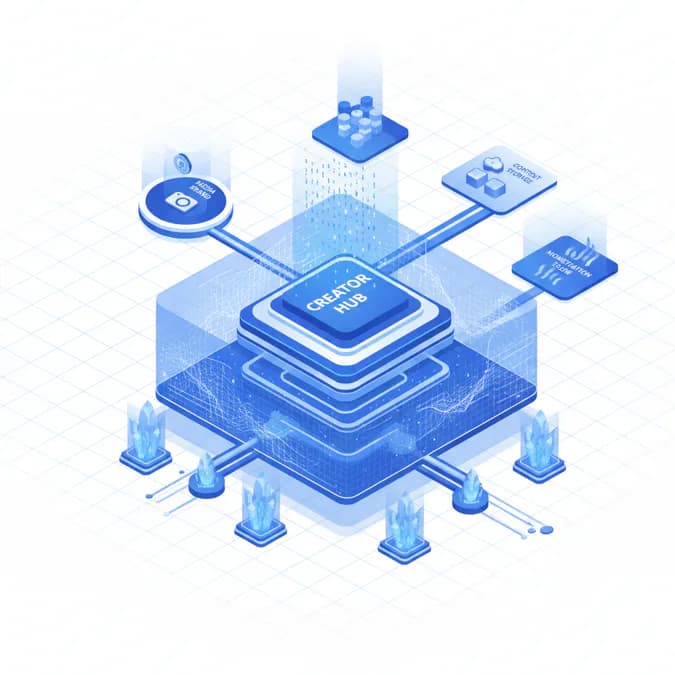
In recent years, leading creators have transitioned from mere content producers to influential multi-platform media brands. This evolution is characterized by several key developments:
- Intellectual Property Development: Creators are now developing their own intellectual property, including online courses, merchandise, and branded products.
- Diversification of Income Streams: Many creators are seeking to establish owned income streams to reduce dependency on platform algorithms, which can be unpredictable.
- Investment in Businesses: Creators are increasingly investing in startups and other businesses, further solidifying their roles as entrepreneurs.
 >
>
According to the Archive.com, the creator economy is projected to reach a staggering USD 1,181.3 billion by 2032, growing at a compound annual growth rate (CAGR) of 24.60%. This growth is indicative of the increasing importance of creators in the broader media and marketing landscape.
Impact on the Creator Economy
The shift towards multi-platform media brands has had significant implications for the creator economy:
- Increased Investment: Organizations have ramped up their investments in creator marketing, with 71% reporting year-over-year increases. On average, influencer marketing budgets have grown by 171% since last year, according to the CreatorIQ Report.
- Higher Engagement Rates: Creator-led campaigns are achieving up to four times higher engagement rates compared to traditional advertising methods, making them a more attractive option for brands.
- Professionalization of Creators: The lines between creators and entrepreneurs are blurring, with many creators now viewing their audience as a distribution channel for their products and services. As noted by the Stan Store Team, "Creator and Entrepreneur will become synonymous. Most entrepreneurs are Creators building their personal brand, and most Creators are entrepreneurs using their audience as a distribution channel."
In the U.S. alone, there are approximately 27 million income-generating creators, showcasing the vast potential of this market. The creator economy has grown by 19.05% year-over-year since 2024, highlighting its resilience and adaptability in a rapidly changing digital landscape.
Future Trends
As we look ahead, several trends are likely to shape the future of the creator economy:
- Consolidation of Platforms: Mergers and acquisitions in the creator space have surged by 73%, signaling a trend towards consolidation as investment floods into the creator economy.
- In-House Creator Collaborations: Brands are increasingly bringing top creators in-house for long-term partnerships, as seen with Vivian Tu's recent appointment at SoFi as Chief of Financial Empowerment.
- AI Integration: The adoption of AI tools among creators has reached 91%, enhancing efficiency in content creation but also presenting challenges in measurement and brand safety.
As the creator economy continues to expand, it is clear that the landscape will be shaped by both technological advancements and the evolving needs of creators and brands alike. The creator economy is on the brink of a significant transformation, with the potential to reach trillion-dollar territory, as highlighted by analysts from Archive.com.
Key Takeaways
- The creator economy is rapidly evolving, with creators becoming multi-platform media brands.
- Investment in creator marketing is increasing significantly, with higher engagement rates compared to traditional methods.
- Future trends include platform consolidation, in-house collaborations, and AI integration.
FAQ
What is the creator economy?
The creator economy refers to the ecosystem where individuals create and monetize content across various platforms, transforming their influence into revenue streams.
How is the creator economy expected to grow?
Experts project the creator economy will reach USD 1,181.3 billion by 2032, driven by the increasing importance of creators in media and marketing.
What are some trends in the creator economy for 2026?
Key trends include platform consolidation, increased investment in creator marketing, and the integration of AI tools in content creation.
The Bottom Line
The creator economy in 2026 is characterized by a shift towards consolidation, with creators evolving into multi-platform media brands. This transformation is driving significant growth and investment, reshaping the media and marketing landscapes. As creators continue to diversify their income streams and invest in businesses, they are positioning themselves as key players in the economy. The future holds exciting possibilities for both creators and brands, as they navigate this dynamic and rapidly changing environment.