The creator economy has undergone a significant transformation as we move through 2026, marking a pivotal moment in how digital entrepreneurs build their brands and monetize their influence. What began as a side hustle for many has evolved into a legitimate career path, reshaping the American Dream itself into something more accessible and self-directed than ever before.
The Evolution of Creator Platforms
The landscape of creator platforms has shifted dramatically over the past year. As these platforms matured, they faced a critical challenge: maintaining creator engagement while adapting to changing user behaviors and market demands. The platforms that thrived in 2026 were those that recognized a fundamental truth—creators needed more control, better tools, and more transparent monetization pathways.
What's particularly noteworthy is how platforms have moved away from one-size-fits-all approaches. Instead, they're offering specialized tools tailored to different creator types, whether they're producing long-form video content, short-form entertainment, educational material, or niche community-driven content. This diversification reflects the maturity of the creator economy and the recognition that different audiences require different content delivery mechanisms.
Engagement Patterns and Platform Challenges
One of the most significant observations about the creator economy in 2026 is the shift in engagement metrics. While overall platform engagement has declined in some areas, this doesn't necessarily indicate a decline in the creator economy itself. Rather, it represents a consolidation and maturation of the space.
Creators and audiences have become more selective about where th
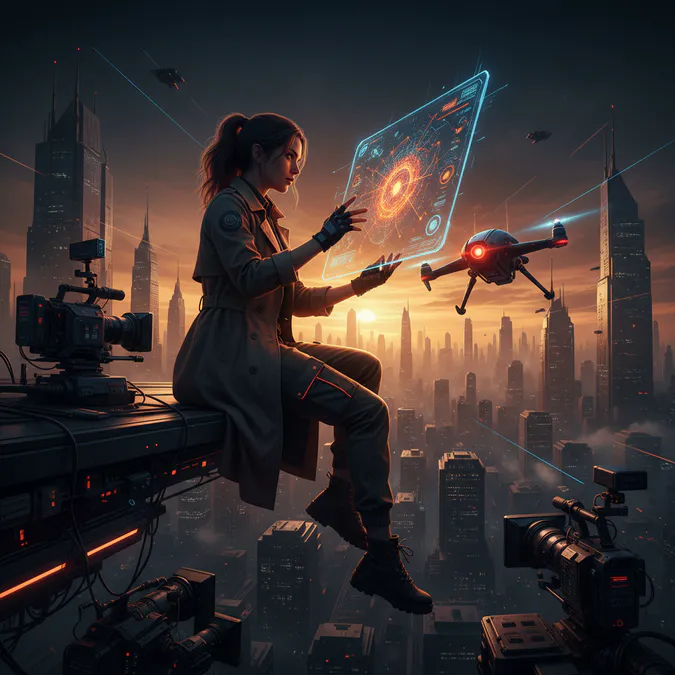
The engagement decline also reflects a broader internet trend: users are becoming more intentional about their social media consumption. Rather than mindlessly scrolling through feeds, audiences are seeking out specific creators and communities that align with their interests and values. This has led to a more sustainable model for the creator economy, where success is measured not just in raw numbers but in community quality and audience loyalty.
The New American Dream: Self-Made Success
Perhaps the most compelling aspect of the creator economy in 2026 is how it has redefined the American Dream. Traditionally, success meant climbing a corporate ladder, working for an established company, or building a business within conventional frameworks. The creator economy has fundamentally altered this narrative.
Today's creators are paving the way for a new era where individuals can build substantial incomes and influence entirely on their own terms. They're not waiting for permission from gatekeepers or traditional media institutions. Instead, they're leveraging technology, community platforms, and direct-to-consumer relationships to create sustainable businesses.
This shift is particularly significant for younger generations who have grown up with digital tools and social platforms. For them, becoming a creator isn't a risky gamble—it's a viable career path with proven success stories and established monetization mechanisms. The creator economy has created a pathway to financial independence that doesn't require traditional credentials or institutional backing.
Monetization Strategies in 2026
The monetization landscape for creators has become increasingly sophisticated. While advertising revenue remains important, successful creators in 2026 are diversifying their income streams in ways that weren't possible just a few years ago.
Subscription models have matured significantly, allowing creators to build predictable, recurring revenue from their most dedicated fans. Membership programs, exclusive content tiers, and community access have become standard offerings. These models provide creators with financial stability while giving audiences a way to directly support the creators they love.
Product creation and e-commerce integration have also become central to many creator strategies. From digital products like courses and templates to physical merchandise and branded goods, creators are leveraging their audiences to build product-based businesses. This diversification reduces dependence on any single platform and creates multiple revenue streams.
Brand partnerships and sponsorships remain lucrative, but the dynamics have shifted. Creators now have more negotiating power, and brands are increasingly recognizing the value of authentic creator partnerships over traditional advertising. Micro-influencers and niche creators often command higher engagement rates and more loyal audiences than mega-influencers, making them attractive partners for brands seeking genuine connections with specific demographics.
The Role of Technology and Tools
The creator economy in 2026 is supported by an increasingly sophisticated ecosystem of tools and platforms. Content creation software has become more accessible and powerful, allowing creators to produce professional-quality content without expensive equipment or technical expertise.
Analytics and audience insights have become more granular, helping creators understand their audiences better and optimize their content strategies. Automation tools help creators manage multiple platforms, schedule content, and handle administrative tasks more efficiently, freeing them to focus on what they do best: creating.
Payment processing and financial management tools have also evolved, making it easier for creators to manage their businesses professionally. This infrastructure is crucial for creators who want to scale their operations and treat their work as a legitimate business rather than a hobby.
Challenges and Considerations
Despite the opportunities, the creator economy in 2026 still faces challenges. Algorithm changes can significantly impact creator visibility and income, creating uncertainty for those dependent on platform algorithms. Platform policies and content moderation decisions can affect creator livelihoods, sometimes with little warning or recourse.
Burnout remains a significant concern, as the pressure to constantly produce content and maintain engagement can be exhausting. The line between personal life and professional work often blurs for creators, leading to mental health challenges and creative fatigue.
Competition has also intensified. With more people entering the creator space, standing out requires not just talent but also strategic thinking, consistency, and often a bit of luck. The barrier to entry may be low, but the barrier to success is higher than ever.
Looking Forward: The Future of the Creator Economy
As we progress through 2026 and beyond, several trends are likely to shape the creator economy's future. Artificial intelligence and automation will continue to play a larger role, helping creators with content creation, editing, and audience engagement. However, authenticity and human connection will remain irreplaceable values that audiences seek.
The creator economy will likely continue to professionalize, with more creators treating their work as legitimate businesses, hiring teams, and scaling their operations. This professionalization will create new opportunities for creators who can build sustainable, scalable businesses.
Community-building will become increasingly important as creators recognize that loyal communities are more valuable than large but disengaged audiences. Platforms that facilitate genuine community connections will thrive, while those focused solely on viral growth may struggle.
Key Takeaways
The creator economy in 2026 represents a maturation of the space, with engagement patterns shifting toward quality over quantity and creators building more sustainable, diversified businesses. The decline in some platform engagement metrics doesn't signal the decline of the creator economy but rather its evolution into a more stable, professional ecosystem.
Creators who succeed in this environment are those who build genuine communities, diversify their income streams, and maintain authentic connections with their audiences. The creator economy has truly paved the way for a new American Dream—one that's self-made, independent, and accessible to anyone with talent, consistency, and strategic thinking.
As platforms continue to evolve and new tools emerge, the creator economy will likely become an even more significant part of the global economy. For aspiring creators, the message is clear: the opportunity is real, but success requires more than just posting content. It demands strategy, authenticity, and a commitment to building genuine value for your audience.
Frequently Asked Questions (FAQ)
What is the creator economy?
The creator economy refers to the ecosystem where individuals create content and monetize it through various platforms, enabling them to earn a living from their creativity.
How has the creator economy evolved in 2026?
In 2026, the creator economy has matured, with creators focusing on building communities, diversifying income streams, and leveraging technology for better engagement.
What are some monetization strategies for creators?
Creators in 2026 are using subscription models, product creation, brand partnerships, and e-commerce to diversify their income and reduce reliance on any single platform.
What challenges do creators face in the current landscape?
Creators face challenges such as algorithm changes, burnout, and increased competition, making it essential to adapt and innovate continuously.
Table of Contents
- The Evolution of Creator Platforms
- Engagement Patterns and Platform Challenges
- The New American Dream: Self-Made Success
- Monetization Strategies in 2026
- The Role of Technology and Tools
- Challenges and Considerations
- Looking Forward: The Future of the Creator Economy
- Key Takeaways
- Frequently Asked Questions (FAQ)