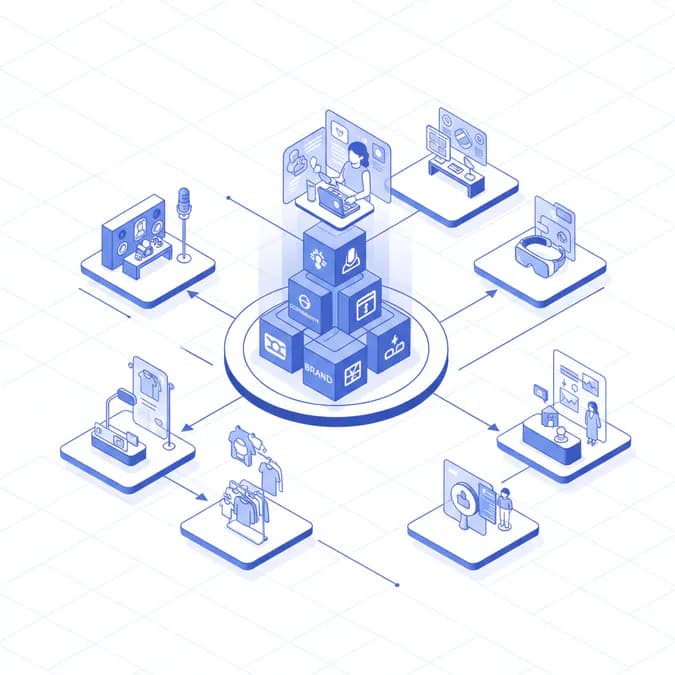
The creator economy is entering a transformative phase. Rather than chasing sponsorship deals and brand partnerships, today's creators are building businesses they own outright. This shift from Creator Economy 2.0—dominated by influencer marketing and sponsored content—to Creator Economy 3.0 represents a fundamental change in how creators think about their work, their audience, and their financial future. According to Agency Reporter, creators are moving beyond endorsements to build brands backed by trust, community, and long-term value.
The Evolution of the Creator Economy
The creator economy has progressed through distinct phases, each reflecting changing technology, audience expectations, and creator ambitions. In its earliest form, creators monetized through ad revenue and affiliate marketing—simple models where platforms paid creators based on views or clicks. This phase established the basic principle that content creation could

Creator Economy 2.0 introduced sponsored content and brand partnerships, fundamentally changing the landscape. Creators became endorsers for products and services, with brands paying for access to engaged audiences. This model proved lucrative for top creators and created a new industry around influencer marketing. However, it came with significant limitations. Creators became dependent on brand budgets, vulnerable to algorithm changes that reduced reach, and constrained by brand requirements that sometimes conflicted with their authentic voice.
Creator Economy 3.0 marks a departure from this dependency model. Creators are now building their own brands—products, services, and communities that they control entirely. This evolution reflects a maturation of both creators and their audiences, who increasingly value authenticity and direct relationships over traditional advertising. The focus shifts from maximizing sponsorship opportunities to creating sustainable, owned businesses.
From Sponsored Content to Brand Ownership
The transition from endorsements to ownership represents a significant mindset shift in how creators approach their careers. Rather than promoting someone else's product for a fee, creators are launching their own ventures. This might include:
- Physical products aligned with their niche or expertise
- Digital courses and educational content
- Subscription services and membership communities
- Software tools and applications
- Consulting and professional services
What makes this different from previous creator monetization is the emphasis on long-term value creation. Sponsored posts generate immediate revenue but offer no lasting asset. A single sponsored post might earn thousands of dollars, but once it's published, the value is realized. Brand ownership creates equity. A creator who builds a successful product line or community owns something with sustained value—something that can grow, scale, or eventually be sold.
This shift also reflects creators' desire for deeper control. When you own your brand, you set the terms, maintain creative control, and capture the full value of your work. You're no longer subject to brand requirements or algorithm changes that might reduce your reach. You're building something that exists independently of any platform's policies or changes.
Building Trust and Community
Successful brand ownership in Creator Economy 3.0 depends on something that can't be bought: trust. Creators who've built genuine relationships with their audiences have a significant competitive advantage. Their communities aren't just followers—they're invested stakeholders who believe in the creator's judgment, values, and expertise.
This trust becomes the foundation for owned brands. When a creator launches a product or service, their audience is more likely to support it because they believe in the creator's judgment. The community becomes a built-in customer base and source of valuable feedback. A creator with 100,000 highly engaged followers who trust their recommendations has a more valuable asset than a creator with 1 million passive followers.
Creators are also recognizing that community participation strengthens brand loyalty and creates competitive advantages. Rather than simply selling to their audience, successful Creator Economy 3.0 brands involve their communities in decision-making, product development, and even ownership structures. This collaborative approach transforms passive followers into active participants with genuine investment in the brand's success.
New Models of Creator-Brand Collaboration
While Creator Economy 3.0 emphasizes ownership, collaboration with traditional brands hasn't disappeared—it's evolved into more sophisticated arrangements. Rather than one-off sponsored posts, creators and brands are exploring partnership models that align with long-term value creation and mutual benefit.
These evolved collaboration models include:
- Equity partnerships where creators gain ownership stakes in brands they promote, aligning incentives for long-term success
- Revenue-sharing arrangements that reward sustained performance and growth rather than one-time placements
- Co-creation opportunities where creators help develop products, ensuring authenticity and market fit
- Advisory roles where creators provide strategic guidance to brands in exchange for compensation and equity
- Joint ventures where creators and brands launch entirely new businesses together
These models benefit both parties. Brands gain authentic advocates with genuine investment in success, moving beyond transactional relationships. Creators build assets beyond their social media presence, creating diversified income streams and ownership stakes that appreciate over time.
The Future of Entrepreneurial Content Creation
Creator Economy 3.0 represents the professionalization and maturation of content creation as a business discipline. Creators are increasingly thinking like entrepreneurs—building diversified revenue streams, creating scalable products, and developing sustainable businesses that can survive platform changes or algorithm shifts.
This evolution has significant implications for all stakeholders. Platforms must adapt to support creator entrepreneurship beyond advertising models. Brands must recognize that top creators are now competitors as well as partners, requiring different relationship strategies. And creators must develop business skills alongside content creation abilities—understanding finance, operations, marketing, and team management.
The most successful creators in this new phase will be those who understand that their greatest asset isn't their follower count—it's the trust and community they've built. That foundation enables them to launch products, build services, and create businesses that generate value far beyond sponsored content. As the creator economy continues to mature, ownership and entrepreneurship will increasingly define success.