
Understanding the Creator Economy in 2026

The creator economy marketing has fundamentally transformed how brands connect with consumers, and 2026 marks a pivotal year for marketers seeking to capitalize on this shift. As creators become increasingly essential drivers of social commerce, particularly on platforms like TikTok Shop, understanding how to navigate this landscape is crucial for marketing success.
Creators have evolved from content producers to influential commerce partners, directly impacting purchasing decisions and brand loyalty. The convergence of content creation and e-commerce has created unprecedented opportunities for marketers willing to adapt their strategies and embrace authentic creator partnerships.
What Is the Creator Economy?
The creator economy represents a fundamental shift in how content is produced, distributed, and monetized. In 2026, this ecosystem has matured significantly, with creators wielding substantial influence over consumer behavior and purchasing patterns. Unlike traditional advertising, creator-driven commerce feels organic and authentic to audiences, making it significantly more effective
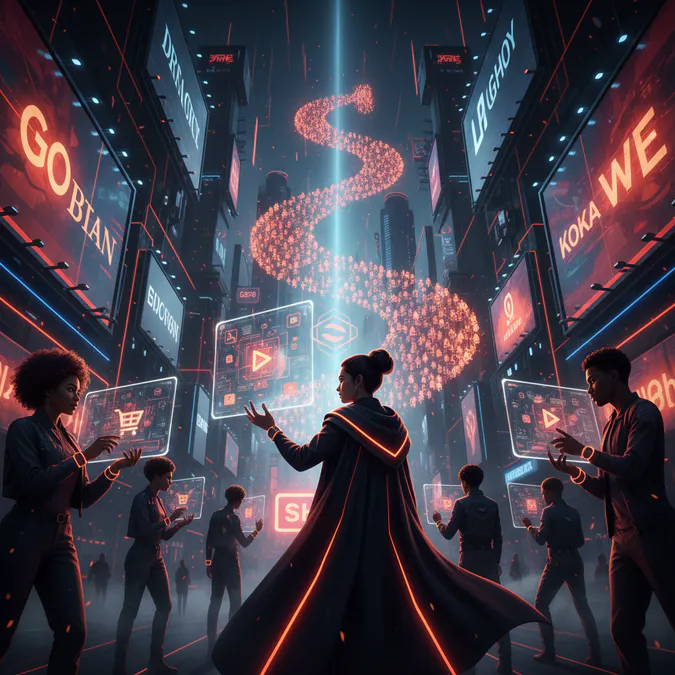
Creators now function as trusted advisors to their audiences, with followers viewing their recommendations as peer endorsements rather than corporate messaging. This authenticity is the cornerstone of why creator economy marketing works so effectively in 2026.
The Rise of Social Commerce on TikTok Shop
TikTok Shop has emerged as a dominant force in social commerce, with US ecommerce sales projected to reach substantial figures in 2026. The platform's integration of content creation, community engagement, and direct purchasing capabilities has created a seamless shopping experience that traditional e-commerce platforms struggle to replicate.
What makes TikTok Shop particularly powerful is its algorithm-driven discovery mechanism. Unlike traditional retail environments where customers must actively search for products, TikTok's algorithm surfaces relevant products to users based on their viewing behavior, interests, and engagement patterns. This passive discovery model has proven remarkably effective at driving impulse purchases and introducing consumers to new brands.
The platform's short-form video format also plays a crucial role in its success. Creators can demonstrate products in action, showcase real-world applications, and build emotional connections with viewers in seconds. This format is inherently more engaging than static product listings or traditional advertisements.
How Marketers Can Stand Out in the Creator Economy
Authenticity First
The most successful marketing campaigns in the creator economy marketing prioritize authenticity above all else. Audiences can immediately detect inauthentic partnerships or forced endorsements, which damages both creator credibility and brand reputation. Marketers should seek creators whose values genuinely align with their brand and whose audiences match their target demographic.
Instead of providing rigid scripts or messaging guidelines, successful brands empower creators to present products in their own voice and style. This approach results in content that feels natural and trustworthy to viewers, ultimately driving higher engagement and conversion rates.
Micro-Influencer Partnerships
While mega-influencers command attention, micro-influencers often deliver superior ROI for brands. These creators typically have smaller but highly engaged audiences with strong community connections. In 2026, savvy marketers are increasingly allocating budgets toward micro-influencer partnerships rather than pursuing vanity metrics associated with larger accounts.
Micro-influencers often have higher engagement rates, more authentic relationships with their followers, and lower partnership costs. They're also more likely to provide detailed performance feedback and maintain ongoing relationships with brands, creating opportunities for long-term partnerships rather than one-off campaigns.
Data-Driven Creator Selection
Modern marketing requires moving beyond follower counts when selecting creator partners. Sophisticated brands now analyze audience demographics, engagement rates, content performance history, and audience sentiment before committing to partnerships. This data-driven approach ensures marketing budgets are invested in creators who can actually move the needle for specific business objectives.
Marketers should examine which creators' audiences overlap with their target customer profiles and which creators have successfully promoted similar products in the past. This analysis prevents wasteful spending on creators with large but misaligned audiences.
Multi-Platform Strategy
While TikTok Shop dominates social commerce conversations, successful creators and brands maintain presence across multiple platforms. Instagram, YouTube, Pinterest, and emerging platforms each offer unique advantages and reach different audience segments. A comprehensive creator economy marketing strategy in 2026 involves coordinating campaigns across platforms while tailoring content to each platform's unique culture and format requirements.
Cross-platform campaigns also provide resilience against algorithm changes or platform policy shifts that could impact marketing effectiveness on any single platform.
Long-Term Creator Relationships
Instead of treating creator partnerships as transactional one-off campaigns, forward-thinking brands are building long-term relationships with creators. These ongoing partnerships allow creators to develop deeper familiarity with products, create more authentic content, and build stronger audience trust over time.
Long-term relationships also provide brands with more flexibility in campaign execution and allow creators to integrate products more naturally into their content calendars. This approach typically results in better performance metrics and stronger brand affinity among creator audiences.
Common Questions About Creator Economy Marketing
How Much Should Brands Budget for Creator Partnerships?
Budget allocation depends on campaign objectives, creator tier, and expected ROI. Micro-influencers might charge $500-$5,000 per post, while mid-tier creators typically command $5,000-$50,000, and mega-influencers may require six-figure investments. However, ROI often improves with micro-influencer partnerships due to higher engagement rates and lower costs.
Brands should approach creator partnerships with clear performance metrics and expected conversion targets rather than simply allocating a percentage of marketing budgets to influencer spending.
How Do Brands Measure Creator Campaign Success?
Successful measurement goes beyond vanity metrics like views or likes. Key performance indicators should include engagement rate, click-through rate, conversion rate, customer acquisition cost, and customer lifetime value. Brands should also track brand sentiment and awareness lift resulting from creator campaigns.
Advanced brands use unique discount codes, affiliate links, or UTM parameters to track which creators drive actual sales and customer acquisition, allowing for precise ROI calculation.
What Types of Products Work Best with Creator Marketing?
While creator marketing can work for virtually any product category, certain categories see particularly strong results. Fashion, beauty, home goods, wellness products, and tech gadgets tend to perform exceptionally well with creator partnerships. Products that benefit from visual demonstration or lifestyle integration typically see stronger creator campaign performance.
However, even B2B and service-based businesses can leverage creator partnerships effectively by identifying creators whose audiences include relevant decision-makers.
How Should Brands Handle Creator Authenticity?
Brands should never require creators to misrepresent their genuine experience with products or fake enthusiasm. Instead, brands should select creators who genuinely use and appreciate their products. If a creator isn't authentically interested in a product, that lack of enthusiasm will be apparent to audiences.
Transparency about sponsored content is also essential. Platforms require clear disclosure of paid partnerships, and audiences respect creators who maintain this transparency while still delivering genuine value and entertainment.
Key Takeaways
The creator economy continues evolving, with social commerce platforms like TikTok Shop fundamentally reshaping how consumers discover and purchase products. Marketers who succeed in 2026 will prioritize authentic creator partnerships, leverage data to identify the right creator partners, and build long-term relationships rather than pursuing one-off campaigns.
The most effective approach combines micro-influencer partnerships with strategic mega-influencer campaigns, maintains presence across multiple platforms, and focuses on genuine audience alignment rather than vanity metrics. By embracing authenticity and building real relationships with creators, brands can tap into the creator economy's tremendous potential for driving growth and building customer loyalty.
The future of marketing increasingly depends on creators' ability to influence consumer behavior. Brands that recognize this shift and adapt their strategies accordingly will thrive in 2026 and beyond.