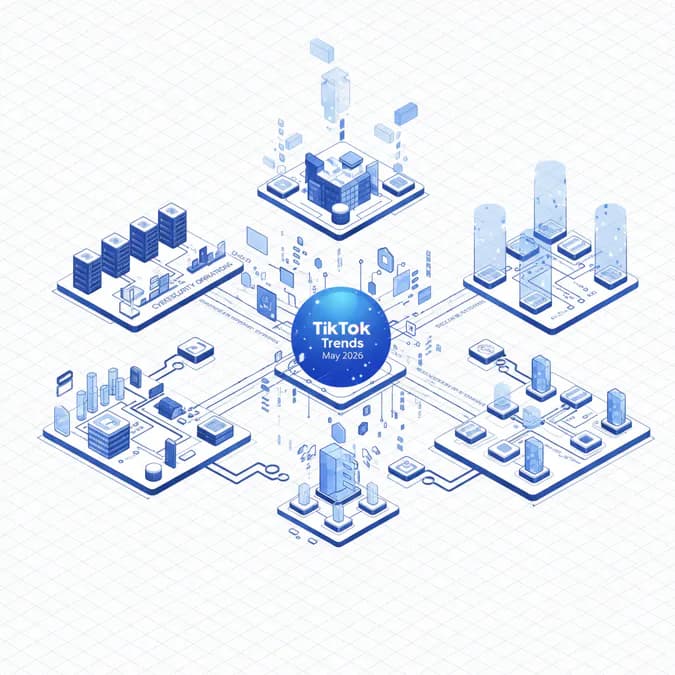
The creator economy is undergoing a significant transformation in 2026, driven by platform volatility and the increasing need for creators to diversify their income streams. With platforms like TikTok influencing creator strategies, understanding these shifts is crucial for survival and success. This article explores the key trends defining the creator economy landscape and provides actionable insights for content creators looking to thrive in this evolving environment.
The Shifting Creator Economy Landscape
The creator economy has evolved from a niche market into a vast ecosystem where individuals monetize their content through various means, including ads, brand partnerships, affiliate links, digital products, memberships, and live events. In 2026, the landscape is defined not just by growth, but by increasing pressure. Unpredictable platform algorithms, fluctuating payout policie

Platform Volatility and Payout Changes
One of the most significant challenges facing creators in 2026 is the increasing volatility of platform payouts. Changes in algorithms and monetization policies can drastically affect a creator's income, making reliance on a single platform risky. This instability is forcing creators to seek alternative revenue streams and build more resilient business models. The tightening of payout structures across various platforms necessitates a proactive approach to diversification and financial planning.
The Necessity of Creator Diversification
Diversification is no longer an optional growth strategy; it's a critical survival requirement for creators in 2026. Depending solely on platform payouts or brand deals leaves creators vulnerable to algorithm changes and market fluctuations. Building multiple revenue streams provides a safety net and allows creators to maintain financial stability even when one source of income declines. According to The Influencer Marketing Factory, only 31% of creators rely on brand deals as their primary income source, highlighting the growing importance of diversification.
TikTok's Impact on Creator Strategy
TikTok continues to be a major force in the creator economy, influencing how creators earn and distribute content. Its innovative creator tools and commerce features have set a precedent for other platforms. TikTok's expansion of creator commerce and shopping features reinforces its role in shaping creator monetization strategies. However, relying solely on TikTok, like any single platform, carries risks due to potential algorithm changes and policy updates.
The 8 Key Trends Explained
According to Stan Store, there are eight key trends defining the creator economy in 2026. These trends highlight the shift towards creator independence, diversified revenue streams, and the use of advanced tools to manage and grow their businesses. While the specific trends are not detailed in the provided research, the overarching themes include:
- Platform Independence: Creators are seeking ways to reduce their reliance on individual platforms.
- Diversified Revenue: Multiple income streams are becoming essential for financial stability.
- Direct-to-Fan Monetization: Creators are leveraging tools to sell directly to their audience.
- AI-Powered Tools: Automation and AI are streamlining content creation and management.
- Community Building: Fostering strong communities around content is crucial for engagement and loyalty.
- Data-Driven Decisions: Creators are using analytics to optimize their content and strategies.
- Cross-Platform Strategies: Distributing content across multiple platforms to maximize reach.
- Professionalization: Treating content creation as a serious business with defined processes.
Revenue Diversification Strategies
To thrive in the evolving creator economy, creators must adopt diverse revenue strategies. These include:
- Memberships: Offering exclusive content and benefits to paying members.
- Digital Products: Creating and selling e-books, courses, templates, and other digital assets.
- Affiliate Marketing: Partnering with brands to promote products and earn commissions.
- Brand Partnerships: Collaborating with brands on sponsored content and campaigns.
- Direct Sales: Selling merchandise, physical products, or services directly to fans.
- Newsletters: Building an email list and monetizing it through sponsorships or premium content.
- Live Events: Hosting virtual or in-person events and charging admission.
According to The Influencer Marketing Factory, 25% of creators already rely on their own brand/business as their main source of income, highlighting the growing trend towards owned revenue streams.
Future Outlook for Creators
The future of the creator economy hinges on adaptability and resilience. Creators who can navigate platform volatility, diversify their income streams, and build strong relationships with their audience will be best positioned for long-term success. The shift towards owned revenue streams and direct-to-fan monetization is expected to continue, empowering creators to take control of their businesses and reduce their dependence on traditional platform models. As the Stan Store editorial team notes, "Rather than relying on unpredictable platform payouts or brand deals, creators are building diversified income streams they own" [Stan Store].
Recommendations for Content Creators
To succeed in the creator economy of 2026, content creators should consider the following recommendations:
- Diversify Income Streams: Don't rely solely on platform payouts or brand deals. Explore memberships, digital products, affiliate marketing, and other revenue sources.
- Build an Email List: An email list is a valuable asset that allows you to communicate directly with your audience and promote your products or services.
- Create High-Quality Content: Focus on creating content that provides value to your audience and keeps them engaged.
- Engage with Your Audience: Respond to comments, messages, and feedback to build a strong community around your content.
- Stay Updated on Trends: Keep abreast of the latest trends and changes in the creator economy to adapt your strategies accordingly.
- Invest in Tools and Resources: Utilize tools and platforms like Stan Store to streamline your workflow and manage your business effectively.
- Consider Cross-Platform Strategies: As the NAB Show editorial team suggests, rethink cross-platform strategies to manage content creation and audience engagement across different platforms.
Key Takeaways
In conclusion, the creator economy in 2026 demands adaptability, diversification, and a strategic approach to building a sustainable business. By understanding the key trends and implementing effective revenue strategies, creators can navigate the challenges and thrive in this dynamic landscape.
FAQ
What is the creator economy?
The creator economy refers to the ecosystem where individuals monetize their content and creativity through various platforms and revenue streams.
Why is diversification important for creators?
Diversification is crucial as it helps creators mitigate risks associated with relying on a single income source, especially in a volatile market.
How can creators adapt to changes in the industry?
Creators can adapt by staying informed about industry trends, leveraging multiple platforms, and continuously engaging with their audience.