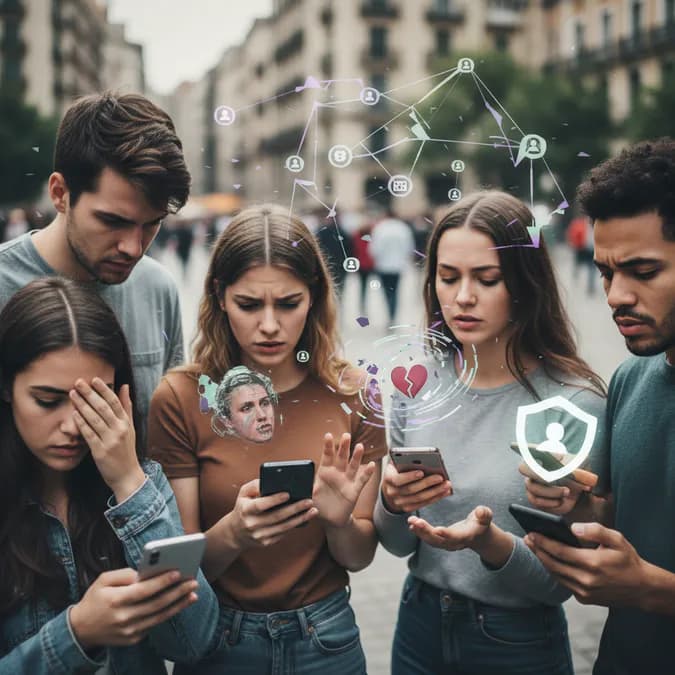
The Rise of Toxicity in Social Media
As social media becomes increasingly toxic, a moral dilemma arises: should decent individuals continue using these platforms? The debate surrounding ethical social media usage is intensifying as users confront the implications of their online presence. Social media platforms, once hailed as tools for connection and communication, have increasingly become toxic environments. Research indicates that a significant percentage of users engage in toxic behavior, contributing to a hostile online atmosphere. This toxicity manifests in various forms, including harassment, hate speech, and the spread of misinformation.
Ethical Implications of Platform Usage
The ethical concerns surrounding ethical social media usage are becoming more pronounced. As Frances Ryan points out, decent individuals must grapple with the question of whether their participation in these platforms condones or perpetuates harmful behaviors. Users need to critically assess their engagement with social media and consider the implications of their presence on these platforms. The ethical social media usage debate emphasizes the need for awareness and responsibility among users.
Impact on Social Discourse
The rise of toxic content on social media has profound effects on public discourse. According to a report by Vice, toxic users create an environment where constructive dialogue is stifled. This leads to polarization and a breakdown in civil discourse, making it increasingly difficult for decent individuals to engage meaningfully. The ethical social media usage discussion must include strategies for fostering healthier online interactions.
Potential Alternatives and Solutions
As the ethical dilemma surrounding ethical social media usage intensifies, exploring alternatives becomes crucial. Some users are turning to decentralized platforms that prioritize user safety and community moderation. Additionally, implementing stricter regulations on existing platforms could help mitigate toxic behavior. For instance, enhanced reporting systems and algorithm adjustments could reduce the visibility of harmful content. Users can also advocate for ethical social media usage by supporting platforms that prioritize user well-being and community standards.
Personal and Societal Responsibility
Ultimately, the responsibility lies with both individuals and society as a whole. Society should advocate for systemic changes that promote healthier online environments. As we navigate this moral landscape, it is essential to prioritize ethical considerations in our digital interactions. The ethical social media usage conversation is not just about individual choices but also about collective action towards creating a better online space.
Key Takeaways
- Ethical social media usage is increasingly important as toxicity rises.
- Users must assess their engagement and its implications.
- Exploring alternatives and advocating for change can lead to healthier online environments.
Frequently Asked Questions (FAQ)
Q: What is ethical social media usage?
A: Ethical social media usage involves being mindful of the impact of one's online presence and engaging in ways that promote positive interactions and discourage toxicity.
Q: How can I contribute to ethical social media usage?
A: You can contribute by critically assessing your online behavior, supporting platforms that prioritize user safety, and advocating for changes that reduce toxicity.
Q: Why is it important to discuss ethical social media usage?
A: Discussing ethical social media usage is crucial for fostering a healthier online environment and ensuring that platforms remain spaces for constructive dialogue rather than hostility.
In conclusion, the question of whether it is ethical to use social media amidst rising toxicity is complex and multifaceted. By fostering awareness and advocating for change, we can strive towards a more ethical digital landscape.