Understanding the '2026 Is The New 2016' Social Media Trend
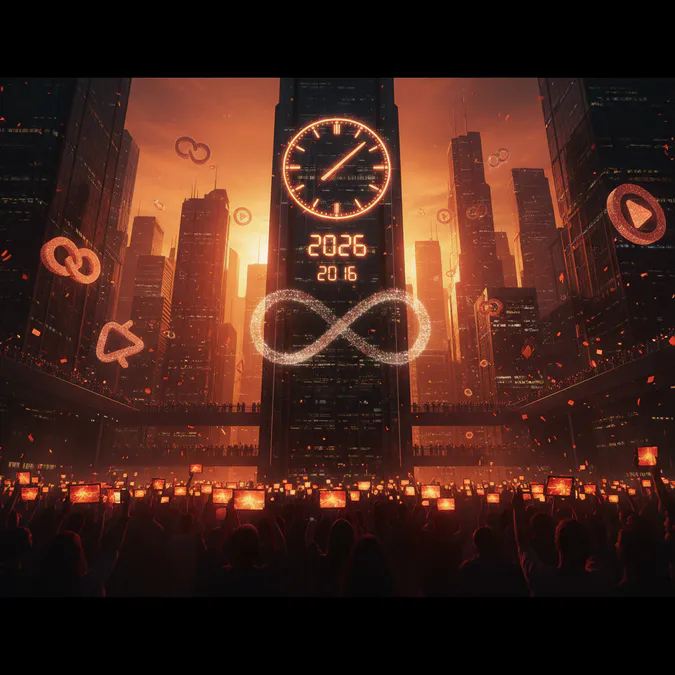
The '2026 Is The New 2016' trend has taken over TikTok and Instagram, with millions of users looking back at the social media landscape from a decade ago. This nostalgic movement reveals deeper insights about how users perceive digital culture, the evolution of social platforms, and what made 2016 such a pivotal year for internet culture. The trend essentially invites users to compare 2016 to 2026, drawing parallels between the two years and celebrating the cultural moments, memes, music, and social media phenomena that defined the mid-2010s. This reflection on social media nostalgia allows users to connect with their past experiences and share them with others.
What Is The '2026 Is The New 2016' Trend?
The trend invites users to compare 2016 to 2026, drawing parallels between the two years and celebrating the cultural moments, memes, music, and social media phenomena that defined the mid-2010s. Users create content reflecting on what they were doing in 2016, the trends that dominated social platforms at that time, and how those moments shaped their digital identities.
The phrase itself suggests that 2
How The Trend Manifests
- Recreating 2016 aesthetics and visual styles
- Referencing iconic 2016 memes and cultural moments
- Sharing personal stories and memories from that year
- Using 2016 music and fashion in creative content
- Creating throwback photo compilations with period-appropriate filters
Why 2016 Holds Special Significance
2016 was a transformative year for social media. Instagram Stories had just launched, fundamentally changing how users shared content. Snapchat was at its peak influence, particularly among younger demographics. Twitter was experiencing explosive growth and cultural relevance. TikTok's predecessor, Musical.ly, was gaining traction among Gen Z users. The year represented a sweet spot where social media felt fresh, less algorithm-driven, and more authentic than it does today.
Memes from 2016 have become iconic—from "Damn Daniel" to "Cash Me Outside," from the "Harambe" phenomenon to "Salt Bae." These weren't just internet jokes; they were cultural touchstones that defined how an entire generation communicated online. The music, the fashion, the humor—all of it felt distinctly 2016.
The Rise of Social Media Nostalgia
Nostalgia has always been a powerful driver of social media engagement, but the '2026 Is The New 2016' trend represents something more profound. It reflects a growing sentiment among users that social media has become more complicated, algorithm-heavy, and commercialized than it was a decade ago.
Users are increasingly yearning for the perceived simplicity of earlier social media eras. In 2016, platforms felt less saturated with influencer marketing, sponsored content, and algorithmic manipulation. The feed was more chronological, more authentic, and more connected to genuine social networks rather than algorithmic recommendations.
Generational Connection to 2016
This nostalgia trend also speaks to generational identity. Users who were teenagers in 2016 are now adults navigating a vastly different digital landscape. For Gen Z users who came of age on social media, 2016 represents their formative years online—a time when they were discovering their digital identities and building their online communities.
How The Trend Manifests Across Platforms
On TikTok, users are creating videos that recreate 2016 aesthetics, reference 2016 memes, and share their personal stories from that year. The format allows for creative expression—whether through dance videos set to 2016 music, comedy sketches referencing 2016 trends, or heartfelt reflections on how much has changed in a decade.
Instagram users are sharing throwback photos from 2016, using specific filters and editing styles that evoke the mid-2010s aesthetic. The platform's nostalgic features, like the ability to post throwbacks and create carousel posts, make it ideal for this type of content.
Both platforms are seeing increased engagement around this trend, with hashtags related to 2016 nostalgia trending globally. The trend has transcended typical age demographics, with users across different generations participating in the conversation about what made 2016 special.
The Cultural Significance Of This Moment
The '2026 Is The New 2016' trend represents more than just casual nostalgia. It's a cultural moment that reflects broader anxieties and desires among social media users. As platforms become increasingly commercialized and algorithm-driven, users are seeking connection to a time when social media felt more organic and community-focused.
This trend also highlights the cyclical nature of internet culture. Just as fashion and music trends cycle through decades, so do internet aesthetics and cultural moments. Users are actively engaging in the process of canonizing 2016 as a significant era in digital history, much like how previous generations have looked back on specific decades as culturally significant.
Collective Memory-Making
The nostalgia also serves as a form of collective memory-making. By participating in the trend, users are collectively deciding what moments from 2016 are worth remembering and celebrating. This democratization of cultural memory is unique to social media and represents a shift in how culture is preserved and celebrated.
What This Means For Social Media Platforms
For TikTok and Instagram, the '2026 Is The New 2016' trend represents valuable engagement data. The platforms can see what content resonates with users, what cultural moments matter to their audiences, and how users want to interact with their platforms.
The trend also presents an opportunity for platforms to reflect on their own evolution. Both TikTok and Instagram have changed significantly since 2016, introducing new features, algorithms, and monetization strategies. The nostalgia trend subtly critiques these changes while celebrating the platforms' cultural impact.
Implications for Creators and Marketers
Creators and marketers are also paying attention to this trend. Understanding what resonates with users—in this case, authentic, community-driven content from the mid-2010s—can inform content strategy and help creators build more engaged audiences. The trend demonstrates that users value authenticity and connection over polished, algorithm-optimized content.
The Broader Context Of Digital Nostalgia
The '2026 Is The New 2016' trend is part of a larger pattern of digital nostalgia that has become increasingly prevalent on social media. Users regularly engage with throwback content, recreate old aesthetics, and celebrate past eras of internet culture.
This phenomenon reflects several underlying factors: the rapid pace of technological change, the increasing commercialization of social media, and the human need for connection to simpler times. As social media becomes more integrated into daily life and more complex in its algorithms and features, users seek comfort in remembering when things felt more straightforward.
The trend also demonstrates the power of collective nostalgia to create community. When millions of users engage with the same nostalgic content, they're participating in a shared cultural experience that transcends geographic and demographic boundaries.
Key Takeaways
The '2026 Is The New 2016' trend represents a significant moment in social media culture, reflecting users' nostalgia for a perceived simpler era of digital communication. The trend celebrates the iconic moments, memes, and cultural phenomena that defined 2016 while subtly critiquing how social media has evolved over the past decade.
For users, the trend provides an opportunity to reflect on their own digital journeys and connect with others who share similar memories. For platforms and creators, it offers valuable insights into what content and experiences resonate most with audiences.
Ultimately, the '2026 Is The New 2016' trend demonstrates that social media nostalgia is more than just casual reminiscence—it's a meaningful way for users to process cultural change, celebrate shared memories, and imagine what the future of digital culture might hold. As social media continues to evolve, these nostalgic moments serve as important markers of how far we've come and what we value most about digital connection.
Frequently Asked Questions (FAQ)
What is social media nostalgia?
Social media nostalgia refers to the longing for past experiences and trends on social media platforms, often characterized by a desire to revisit simpler times in digital communication.
Why is the '2026 Is The New 2016' trend popular?
This trend is popular because it resonates with users' feelings of nostalgia for the mid-2010s, a time perceived as more authentic and less commercialized in social media.
How can creators leverage social media nostalgia?
Creators can leverage social media nostalgia by producing content that reflects past trends, aesthetics, and cultural moments, fostering a sense of community and connection with their audience.
For further reading on social media trends and nostalgia, consider visiting Social Media Examiner for insights and expert opinions.