Understanding the "2026 Is The New 2016" Social Media Nostalgia Trend
The internet has a peculiar relationship with nostalgia, and in 2026, that sentiment is reaching a fever pitch. A viral trend sweeping across TikTok and Instagram is prompting users to look back a full decade to 2016, celebrating what many are calling "the good times." The "2026 Is The New 2016" trend has become a cultural phenomenon, sparking conversations about how much has changed in social media, technology, and internet culture over the past ten years. This social media nostalgia movement reflects deeper patterns in how users engage with digital platforms and process rapid technological change.
Understanding this trend requires examining both the appeal of nostalgia in digital spaces and what made 2016 such a significant year for internet culture. From viral moments to the state of social media platforms themselves, the reasons behind this retrospective movement are multifaceted and revealing about how we consume and share content online.
What Is The "2026 Is The New 2016" Trend?
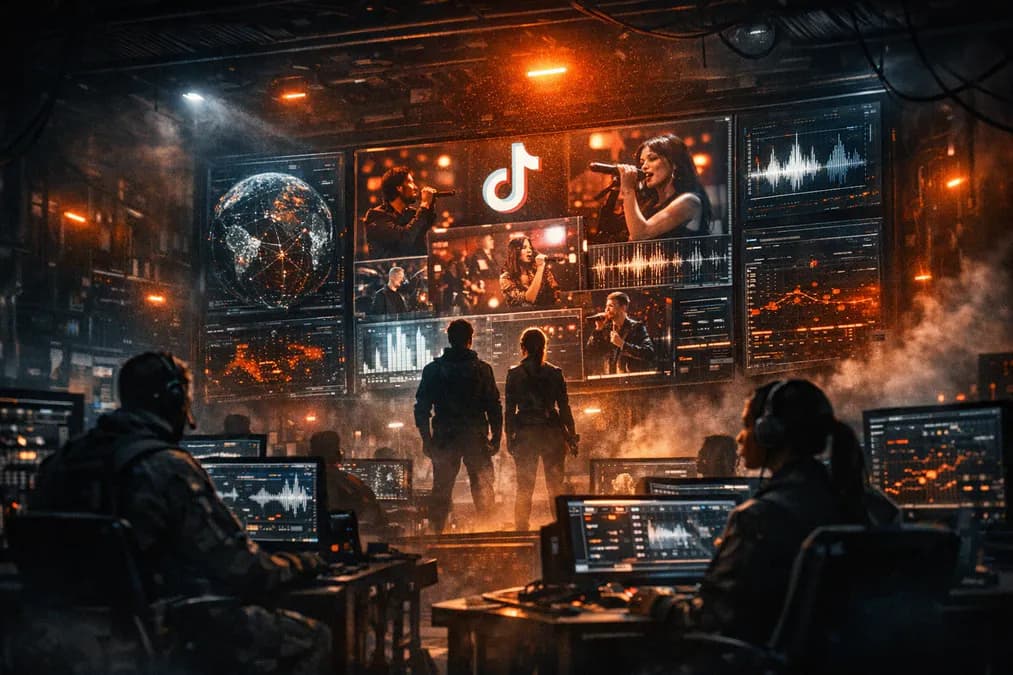
The trend centers on the idea that 2026 mirrors 2016 in meaningful ways, prompting users to reminisce about the earlier year. On TikTok, creators are sharing videos that juxtapose 2016 moments with their 2026 equivalents, highlighting how certain aspects of internet culture have come full circle. Instagram users are similarly engaging with throwback content, using the trend as an opportunity to reflect on how the platforms themselves have evolved.
The trend typically involves users creating side-by-side comparisons, sharing memes from 2016, or discussing the cultural zeitgeist of that year. Some creators are even recreating iconic moments from 2016, adding a humorous or nostalgic commentary about how things have changed—or in some cases, how little has actually changed. The format is flexible, allowing creators to interpret the concept in ways that resonate with their audiences.
Why 2016 Holds Special Significance
2016 was a pivotal year for social media and internet culture. It was a time when TikTok's predecessor, Musical.ly, was gaining traction, Instagram was still primarily a photo-sharing platform without the heavy algorithmic push toward video content, and Twitter remained a more open, less moderated space. Snapchat was at its peak popularity, and memes were evolving into increasingly sophisticated forms of communication.
The year also marked significant cultural moments that defined an era of internet culture. From viral challenges to iconic memes, 2016 represented a particular flavor of online humor and creativity that many users now view through rose-tinted glasses. The relative simplicity of social media algorithms compared to today's complex systems also contributes to the nostalgia—many users felt they had more control over what they saw and shared.
The Psychology Behind Social Media Nostalgia
Nostalgia has always been a powerful emotional driver, but it operates differently in digital spaces. When users engage with nostalgic content on social media, they're not just remembering the past; they're actively constructing a narrative about it. The "2026 Is The New 2016" trend taps into several psychological factors that make it particularly resonant.
First, there's the element of escapism. In 2026, users face a complex digital landscape with AI-generated content, increasingly sophisticated algorithms, and ongoing debates about platform authenticity. Looking back to 2016 offers a mental escape to a time that feels simpler, even if it wasn't necessarily better.
Second, there's the human need for pattern recognition and cyclical thinking. The idea that 2026 mirrors 2016 appeals to our desire to find meaning in time and to believe that history repeats itself in comprehensible ways. This gives users a framework for understanding rapid technological and cultural change.
Third, nostalgia serves a social bonding function. When users share nostalgic content, they're creating a shared experience with others who remember 2016. This creates community and validates the experiences of those who were active on social media during that period.
How Platforms Are Responding
Both TikTok and Instagram have recognized the trend's popularity and are facilitating its spread through algorithmic promotion and platform features. The trend has generated significant engagement, with millions of views on nostalgic content. Creators are capitalizing on the trend's popularity by producing content that appeals to users' desire to revisit the past.
Platforms benefit from nostalgic trends because they drive engagement and time spent on the app. Users are more likely to spend extended periods scrolling through nostalgic content, commenting on comparisons between 2016 and 2026, and sharing their own memories. This engagement translates to valuable data and advertising opportunities for the platforms.
The Evolution of Internet Culture: 2016 vs. 2026
While the trend frames 2016 and 2026 as mirrors, the reality is more nuanced. A decade has brought substantial changes to how people create, consume, and share content online.
In 2016, meme culture was primarily text-based or relied on simple image formats. By 2026, memes have evolved into complex multimedia experiences, often incorporating AI-generated elements. The platforms themselves have transformed dramatically—TikTok has become the dominant short-form video platform, Instagram has shifted from photos to Reels, and the entire social media landscape has been reshaped by algorithm changes and platform policies.
Content creation has also professionalized significantly. In 2016, viral success often came from authentic, unpolished moments. By 2026, the most successful creators often employ sophisticated production techniques, strategic posting schedules, and deep understanding of algorithmic preferences. The barrier to entry has both lowered and raised simultaneously—easier to start creating, harder to achieve viral success.
What The Trend Reveals About Digital Culture
The "2026 Is The New 2016" trend is more than just a fun nostalgic exercise. It reveals important truths about how users relate to social media and digital culture. The trend suggests that many users feel fatigued by the current state of social media and are seeking refuge in memories of a simpler time.
It also indicates that users are becoming more reflective about technology's role in their lives. By explicitly comparing two points in time, the trend encourages users to think critically about how social media has changed and what has been gained or lost in that transformation.
Additionally, the trend demonstrates the cyclical nature of internet culture. Trends, aesthetics, and cultural moments don't disappear; they return in new forms. The resurgence of Y2K fashion, the return of early 2000s music production styles, and now the nostalgia for 2016 all suggest that internet culture operates in cycles, with past eras regularly being revisited and reinterpreted.
The Role of Creators in Shaping the Narrative
Content creators have been instrumental in popularizing and shaping the "2026 Is The New 2016" trend. Creators with large followings have used the trend to generate engagement, often adding their own unique spin or commentary. Some creators focus on humor, highlighting absurd comparisons between the two years. Others take a more reflective approach, genuinely exploring what has changed in their own lives and in internet culture.
Creators also serve as cultural historians in this context, documenting and interpreting the past for their audiences. By creating content around this trend, they're helping to establish a collective memory of 2016 and shaping how future generations will understand that period of internet history.
Key Takeaways
The "2026 Is The New 2016" trend represents more than just a passing fad. It reflects genuine nostalgia for a particular era of social media, reveals user fatigue with current platform dynamics, and demonstrates the cyclical nature of internet culture. The trend has resonated across TikTok and Instagram because it taps into universal human experiences—the desire to remember the past, to find meaning in time, and to connect with others through shared memories.
As social media continues to evolve, trends like this serve as important markers of cultural sentiment. They show us what users value, what they miss, and how they make sense of rapid technological change. Whether 2026 truly mirrors 2016 is less important than what the trend tells us about how people experience and relate to digital culture in the present moment.
The nostalgia captured in this trend will likely fade as new trends emerge, but it leaves behind important insights into the relationship between users and the platforms they inhabit. In looking back to 2016, users are also looking forward, processing change and seeking connection in an increasingly complex digital landscape.
Frequently Asked Questions
What is social media nostalgia?
Social media nostalgia refers to the emotional longing for past experiences and moments shared on social media platforms, often triggered by trends that celebrate previous years.
Why is 2016 significant in social media history?
2016 was a pivotal year for social media, marked by the rise of platforms like TikTok and significant cultural moments that shaped internet culture.
How do creators influence social media nostalgia trends?
Creators shape nostalgia trends by producing content that resonates with audiences, often adding humor or reflective commentary on past events.
What psychological factors drive social media nostalgia?
Escapism, pattern recognition, and social bonding are key psychological factors that drive users to engage with nostalgic content.
How do platforms benefit from nostalgia trends?
Nostalgia trends increase user engagement, leading to longer time spent on apps and providing valuable data and advertising opportunities for social media platforms.
What are some authoritative sources on social media trends?
For more insights, consider checking publications like Pew Research Center and Harvard Business School for data-backed research on social media trends.