
Social media in 2026 is undergoing a fundamental shift. The polished, algorithm-optimized content that once dominated feeds is giving way to something more raw, more chaotic, and paradoxically, more human. According to Hootsuite's comprehensive 2026 social trends research, the defining characteristic of this year's social landscape is what analysts are calling "chaos culture"—a movement toward absurdist humor, nonsensical memes, and fast-moving in-jokes that prioritize participation over perfection. Understanding these social media trends 2026 is crucial for marketers and brands.
This trend isn't random. It reflects deeper changes in how different generations consume content, what they trust, and what they're looking for from brands. Gen Alpha, whose entire media diet has been shaped by short-form video and remix culture, is especially drawn to this chaotic aesthetic. Meanwhile, Millennials and Gen Z are discovering that chaotic humor serves as a form of emotional release and cultural belonging in an increasingly fragmented digital landscape.
For marketers and content creators, understanding these shifts is no longer optional—it's essential. The brands that will thrive in 2026 are those that can move quickly, authentically, and in-platform, joining cultural conversations as they happen rather than trying to manufacture relevance from the outside.
What Chaos Culture Actually Means
Chaos culture on TikTok isn't about disorder for its own sake. Instead, it represents a deliberate rejection of the hyper-polished, corporate aesthetic that has dominated social media for the past decade. The 67 memes, absurdist humor, and nonsensical content formats that are currently dominating
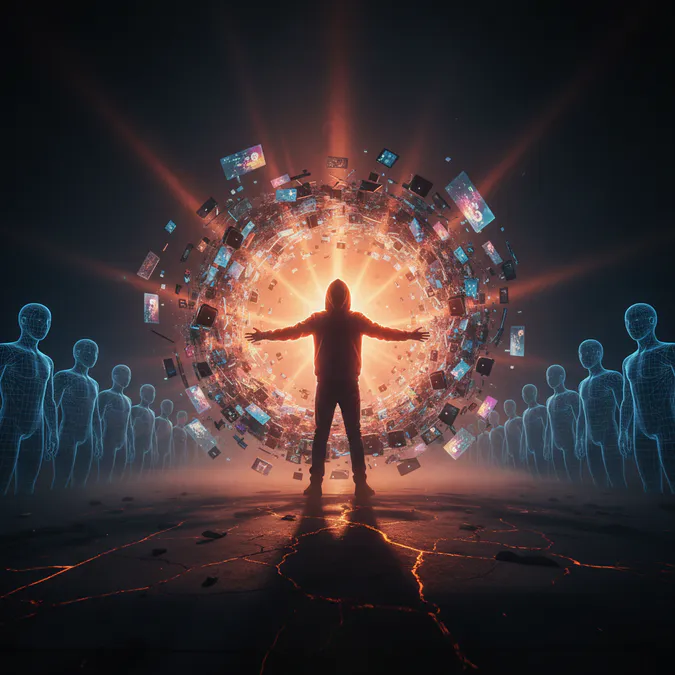 ttps://www.tiktok.com/" target="_blank" rel="noopener">TikTok connect with audiences because they feel genuine, participatory, and refreshingly unpredictable.
This shift has been driven by several converging factors. First, audiences are experiencing what researchers call "algorithm fatigue." After years of feeds optimized by artificial intelligence, users are craving content that feels less calculated and more human. Second, the rise of AI-generated content has created a trust crisis. According to Sprout Social research, 55% of social users are more likely to trust brands that publish human-generated content, showing why authenticity has become a competitive advantage in AI-heavy feeds.
Third, short-form video platforms like TikTok have fundamentally changed how content spreads. Unlike traditional social networks where reach depends on follower counts, TikTok's algorithm can surface any video to millions of users if it resonates. This has democratized content creation and made it possible for absurdist, low-production-value videos to outperform expensive branded campaigns.
How Different Generations Are Responding
Gen Alpha's relationship with chaos culture is particularly significant because this generation has never known a world without TikTok. Their media habits were formed in an environment dominated by short-form video, remix culture, and creator-led entertainment. For Gen Alpha, the nonsensical meme formats and absurdist humor that define chaos culture aren't confusing—they're native to their digital language.
This generation's responsiveness to chaotic content reflects something important about how they process information and find community. In a world that often feels overwhelming and unpredictable, absurdist humor provides a way to acknowledge chaos without being defeated by it. The memes aren't trying to make a grand statement; they're just trying to make you laugh and feel like you're part of an inside joke.
Millennials and Gen Z are engaging with chaos culture differently, but no less meaningfully. For these generations, chaotic humor serves as a form of low-friction emotional release. According to Hootsuite's research, Millennials and Gen Z are using these trends as a way to find comfort and cultural belonging. In other words, chaos culture isn't just entertainment—it's a coping mechanism for navigating an increasingly complex world.
The shift toward authenticity and human-generated content is also particularly resonant with these older Gen Z and Millennial audiences. They've grown up watching brands try and fail to be "relatable," and they're tired of it. They want to see real people, real mistakes, and real conversations. This preference for authenticity is so strong that it's reshaping how successful brands approach social media strategy.
The Role of Short-Form Video
Short-form video remains the central driver of engagement across TikTok, Instagram Reels, and YouTube Shorts. This isn't a surprise—video content has been "king" for years. But what's changing is the type of video content that performs best.
Hootsuite's editorial team emphasizes that video content is still king, but the definition of what makes a video successful has shifted. It's no longer about production quality or celebrity endorsements. Instead, the most successful videos are those that feel authentic, participate in ongoing cultural conversations, and invite audience participation.
TikTok's 2026 trend outlook highlights the importance of episodic, social-first entertainment and the rise of "micro-drama" and clipping as part of the platform's evolving content ecosystem. This reinforces TikTok's role as a format incubator—a place where new content styles are born and then spread to other platforms.
What This Means for Product Discovery and Search
One of the most significant shifts in 2026 is where people are discovering products. More than 60% of product discovery is now happening on social platforms, according to Sprout Social research. This represents a fundamental change in consumer behavior and has major implications for how brands should approach content strategy.
When more than half of product discovery happens on social media, being part of cultural conversations isn't just nice to have—it's essential for visibility. Brands that can create searchable, trend-driven content that feels authentic and participatory will have a significant advantage in the discovery game.
This also explains why chaos culture matters for brands. Content that participates in ongoing memes and cultural moments is more likely to be discovered, shared, and engaged with. The brands that are winning in 2026 are those that understand this dynamic and can move quickly enough to join conversations while they're still hot.
The Trust Factor: Why Authenticity Matters More Than Ever
As AI and automation tools become more sophisticated, audiences are becoming more skeptical. While 72% of marketers say AI and automation tools help personalize the customer experience, consumers are increasingly wary of content that feels machine-generated or overly polished.
This creates a paradox: marketers are using more AI tools than ever, but audiences trust human-generated content more than ever. The solution isn't to abandon AI and automation—these tools are too valuable for personalization and efficiency. Instead, the solution is to use these tools in ways that enable more authentic human connection rather than replacing it.
According to Sprout Social research, 41% of Gen Z social users now turn to social media first when looking for information. This is a significant shift in how younger audiences source information, and it underscores the importance of being trustworthy and authentic on these platforms.
Community Management's Moment
One of the most important trends in 2026 is the resurgence of community management as a strategic priority. According to Kendall Dickieson, a Sprout Social consultant, "Community management is finally getting its moment again. As brands realize that organic reach depends as much on how they engage as what they post, we're seeing community teams move from reactive to proactive."
This shift reflects a broader understanding that social media success isn't just about broadcasting messages—it's about building relationships. Brands that are winning in 2026 are those that invest in community management, respond to comments and messages quickly, and create spaces where their audiences feel heard and valued.
Scott Morris, CMO of Sprout Social, captures this shift perfectly: "The social spotlight is moving from mass reach to meaningful connection." This statement encapsulates the fundamental change happening in social media strategy. It's no longer about reaching the most people; it's about reaching the right people and building genuine relationships with them.
What Brands Need to Do Now
For brands looking to thrive in 2026, the implications are clear. Here's what successful social media strategy looks like in this new landscape:
- Invest in understanding cultural conversations: This means following trends, paying attention to memes, and understanding what's resonating with your audience on each platform. Stay plugged into the communities where your audience spends time.
- Prioritize authenticity and human-generated content: This doesn't mean abandoning professional production entirely, but it does mean being willing to show the human side of your brand. Behind-the-scenes content, employee spotlights, and real customer stories will outperform polished, corporate messaging.
- Move quickly: Cultural moments on social media move fast. The brands that can respond to trends and join conversations in real-time will have a significant advantage. This requires agile content teams and decision-making processes that don't require multiple layers of approval.
- Invest in community management: Responding to comments, engaging in conversations, and building relationships with your audience should be a core part of your social media strategy, not an afterthought.
- Create platform-specific content: Understand that relevance now depends on joining cultural conversations authentically and in-platform. This means creating content specifically for TikTok, Instagram Reels, and other platforms rather than repurposing the same content across channels.
The brands that master these principles will find that they're not just keeping up with trends—they're becoming part of the cultural fabric of social media itself.
Key Takeaways
Social media in 2026 is being shaped by a fundamental shift toward authenticity, community, and cultural fluency. Chaos culture and absurdist humor aren't just memes—they're symptoms of a deeper change in how audiences want to engage with content and with brands.
Gen Alpha's embrace of nonsensical memes, the comfort that Millennials and Gen Z find in chaotic humor, and the growing importance of human-generated content all point to the same conclusion: audiences are tired of being sold to, and they're craving genuine connection instead.
For brands, creators, and marketers, the message is clear. Success in 2026 requires understanding these shifts, moving quickly, staying authentic, and remembering that social media is ultimately about people connecting with people. The brands that can do this will thrive. Those that cling to the old playbook of polished, broadcast-style marketing will find themselves increasingly irrelevant.
Frequently Asked Questions
What are the key social media trends for 2026?
Key trends include chaos culture, the rise of short-form video, and the increasing demand for authenticity in brand communications.
How does chaos culture impact marketing strategies?
Chaos culture encourages brands to engage in real-time cultural conversations and prioritize authentic, human-generated content over polished marketing.
Why is authenticity important in social media?
Authenticity builds trust with audiences, especially as consumers become more skeptical of AI-generated content and overly polished marketing.