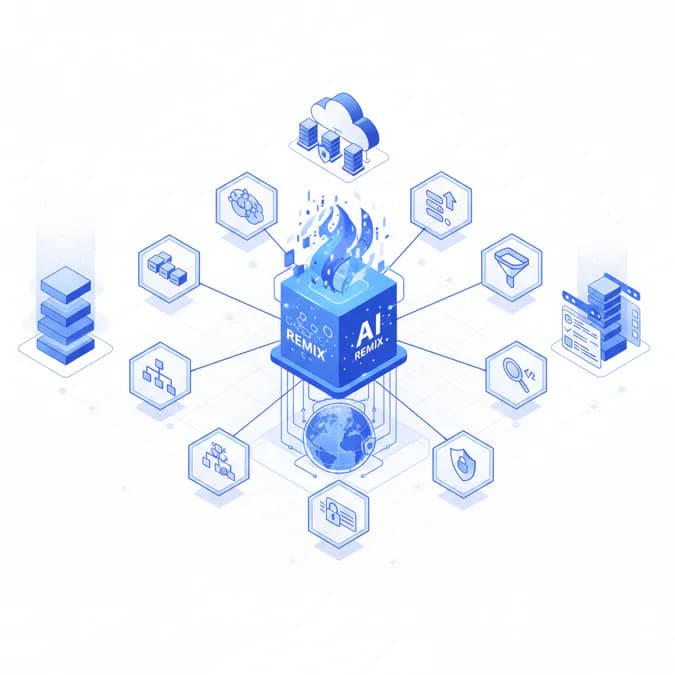
Understanding TikTok's AI Remix Feature
TikTok, the short-form video giant, is currently testing a new feature that leverages the power of generative AI to allow users to "remix" content created by others. While the potential for creative collaboration and expanded reach is enticing, this development has sparked significant debate and apprehension among creators who fear a loss of control over their intellectual property and creative output.
This article will delve into the specifics of TikTok's AI remix feature, explore the potential benefits and drawbacks for creators, and analyze the broader implications for the future of content creation in the age of artificial intelligence.
Understanding TikTok's AI Remix Feature
At its core, the AI remix feature aims to democratize content creation by enabling users to build upon existing videos. The exact mechanics of the feature are still under wraps as it remains in the testing phase. However, the general idea is that users can utilize AI tools within TikTok to alter, adapt, and integrate elements from original creator videos into their own content. This could involve:
- Adding new scenes or visual effects: Imagine incorporating AI-generated landscapes or futuristic elements into an existing dance video.
- Changing the audio or music: Users could replace the original soundtrack with AI-generated music or voiceovers.
- Altering the characters or objects: AI could be used to swap out characters or objects in the video with different versions or entirely new creations.
- Creating parodies or satirical content: The remix feature could facilitate the creation of humorous or critical takes on original videos.
The possibilities are vast, and TikTok likely envisions this feature as a way to foster greater user engagement and creativity on the platform. However, the potential downsides for creators are equally significant.
Creator Concerns: A Loss of Control?
The primary concern voiced by creators is the potential for a loss of control over their original work. When users can freely remix and modify content using AI, it raises questions about:
- Copyright and ownership: Who owns the copyright to a remixed video that incorporates elements from an original creator's work? How are royalties and attribution handled?
- Integrity and brand image: Creators worry that their content could be used in ways that misrepresent their brand, promote harmful messages, or create offensive material.
- Monetization: If remixed content gains popularity, how do original creators benefit financially? Will they receive a fair share of the revenue generated from derivative works?
- Artistic expression: Some creators fear that the AI remix feature could stifle originality and lead to a homogenization of content, as users rely on existing videos rather than creating their own from scratch.
These concerns are not unfounded. In the past, platforms have struggled to adequately protect creators' rights in the face of unauthorized use and distribution of their content. The introduction of AI-powered remixing tools only exacerbates these challenges.
Potential Benefits for Creators
Despite the legitimate concerns, the AI remix feature also presents potential benefits for creators:
- Increased visibility and reach: When other users remix a creator's content, it can expose their work to a wider audience and drive more traffic to their profile.
- Creative collaboration: The feature could facilitate collaborations between creators and fans, leading to innovative and unexpected content.
- New revenue streams: If TikTok implements a fair monetization system for remixed content, creators could earn additional income from derivative works.
- Enhanced engagement: The ability to remix content could encourage users to interact more actively with creators and their videos.
Ultimately, the success of the AI remix feature will depend on how TikTok addresses the concerns of creators and implements safeguards to protect their rights and interests.
The Future of Content Creation: Navigating the AI Landscape
TikTok's experiment with AI remixing is indicative of a larger trend: the increasing integration of artificial intelligence into the content creation process. AI tools are already being used for a variety of purposes, including:
- Video editing and enhancement: AI can automate tasks such as color correction, noise reduction, and object removal, saving creators time and effort.
- Content generation: AI can generate scripts, music, and even entire videos based on user prompts.
- Personalized recommendations: AI algorithms analyze user data to recommend relevant content, increasing engagement and discovery.
- Content moderation: AI can help identify and remove harmful or inappropriate content, creating a safer online environment.
As AI technology continues to evolve, it will undoubtedly play an even greater role in shaping the future of content creation. Creators who embrace AI tools and learn how to leverage them effectively will be well-positioned to succeed in this rapidly changing landscape.
Key Takeaways
TikTok's AI remix feature is a double-edged sword. While it offers the potential for increased visibility, creative collaboration, and new revenue streams, it also raises concerns about copyright infringement, brand integrity, and artistic control. The future of content creation hinges on finding a balance between harnessing the power of AI and protecting the rights and interests of creators.
The Bottom Line
TikTok's AI remix feature is a bold experiment that could revolutionize the way content is created and consumed. However, its success will depend on TikTok's ability to address the legitimate concerns of creators and implement safeguards to protect their rights and interests. The platform must prioritize transparency, fairness, and collaboration to ensure that AI empowers creators rather than exploiting them.
Table of Contents
- Understanding TikTok's AI Remix Feature
- Creator Concerns: A Loss of Control?
- Potential Benefits for Creators
- The Future of Content Creation: Navigating the AI Landscape
- Key Takeaways
- The Bottom Line
For further reading, check out this related article on the implications of AI in social media.