Table of Contents

- Viral Squirrel Vaping Trend Takes Over TikTok
- The Discovery That Started It All
- The Science Behind Squirrel Vaping Behavior
- The TikTok Effect and Viral Culture
- Environmental and Urban Wildlife Concerns
- The Broader Context of 2026's Absurdity
- Creator Responsibility and Animal Welfare
- What This Means for Social Media Culture
- Key Takeaways
Viral Squirrel Vaping Trend Takes Over TikTok
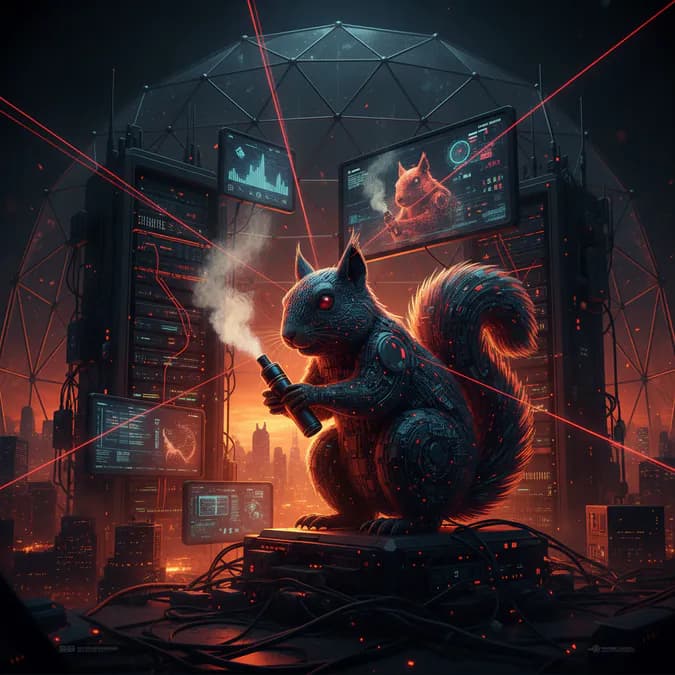
In what can only be described as one of 2026's most unexpected viral moments, content creators across TikTok have documented a peculiar phenomenon: squirrels in major cities seemingly attracted to vaping devices. The squirrel vaping trend, which began gaining traction in New York City and London, has left both creators and viewers asking, "What have we done?" as
The Discovery That Started It All
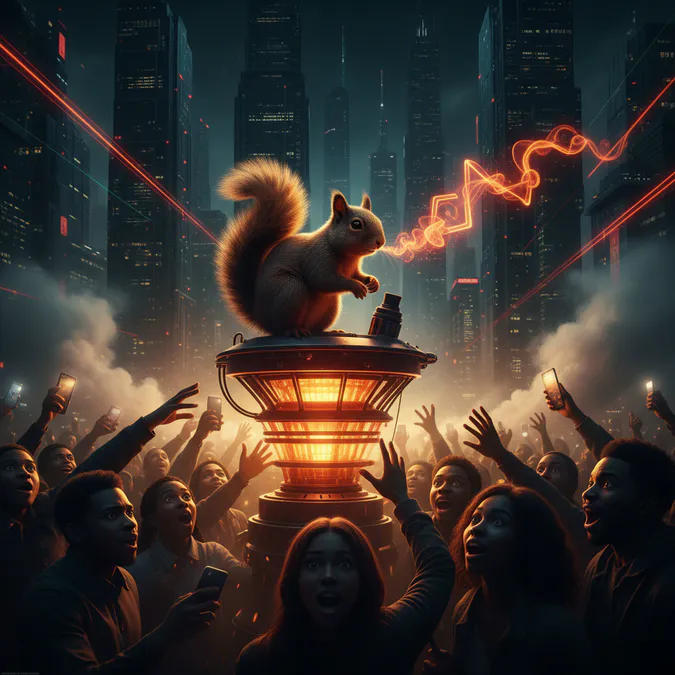
The viral moment began when several TikTokers noticed squirrels congregating around areas where people were vaping. Rather than being repelled by the devices, the squirrels appeared drawn to them, seemingly mistaking the sweet-scented vapor for food sources. Content creators captured these interactions on video, and the footage quickly spread across the platform, accumulating millions of views and sparking widespread discussion about the unintended consequences of modern urban life.
What makes this trend particularly noteworthy is how it perfectly encapsulates the absurdity of contemporary social media culture. In an era where artificial intelligence dominates headlines and everyday commodities like eggs have become luxury items, the image of squirrels vaping somehow feels like the logical next step in a world that increasingly defies satire.
The Science Behind Squirrel Vaping Behavior
While the viral videos are undeniably entertaining, they raise legitimate questions about animal behavior and sensory perception. Squirrels rely heavily on their sense of smell to locate food sources, and the sweet flavoring compounds in vaping liquids can be remarkably attractive to animals. Many vape products contain flavoring agents like vanilla, fruit extracts, and other aromatic compounds that mimic natural food sources.
When squirrels encounter these scents, their instinctive response is to investigate, as they're programmed to seek out calorie-dense foods. The sweet vapor essentially tricks their olfactory system into believing they've found a food source. This isn't a sign of addiction or intentional drug use by the animals—rather, it's a straightforward case of wildlife responding to artificial stimuli in their environment.
However, the repeated exposure to vaping devices raises concerns among wildlife experts. While occasional exposure to vapor is unlikely to cause serious harm, the behavioral pattern could potentially lead to squirrels spending time in areas with higher human activity, increasing their risk of accidents, injuries, or other urban hazards.
The TikTok Effect and Viral Culture
The squirrel vaping trend exemplifies how social media platforms, particularly TikTok, have become the primary mechanism for spreading unusual and entertaining content. The platform's algorithm favors novel, visually interesting, and shareable content—and videos of squirrels interacting with vaping devices check all these boxes.
Content creators in both NYC and London recognized the viral potential immediately and began producing increasingly creative takes on the phenomenon. Some videos featured slow-motion footage of squirrels approaching vape devices, others included humorous commentary, and still others attempted to explain the behavior from a scientific perspective. The diversity of approaches ensured that the trend remained fresh and engaging as it spread across the platform.
What's particularly interesting is how this trend reflects broader patterns in viral culture. The content isn't inherently harmful or dangerous—it's simply absurd and unexpected. In a media landscape saturated with serious news and manufactured outrage, there's clearly an appetite for content that's simply weird and entertaining without deeper implications.
Environmental and Urban Wildlife Concerns
Beneath the humor of squirrels vaping lies a more serious conversation about urban wildlife and environmental contamination. Cities around the world are increasingly dealing with the consequences of human activities on animal populations. From plastic pollution to chemical exposure, urban wildlife faces numerous challenges that often go unnoticed until they manifest in viral videos.
The squirrel vaping trend, while amusing on the surface, serves as a reminder that human behaviors and products inevitably affect the animals we share our cities with. Vaping devices, like many consumer products, are designed without consideration for their impact on wildlife. When these products enter shared spaces, they become part of the environment that animals must navigate.
This raises important questions about urban planning and environmental responsibility. How can cities better manage the intersection between human activity and wildlife? What steps can be taken to minimize unintended consequences of consumer products on animal populations? These are questions that extend far beyond the humor of the viral moment.
The Broader Context of 2026's Absurdity
The squirrel vaping trend doesn't exist in isolation. It's part of a larger pattern of increasingly surreal events that have characterized recent years. The reference to AI taking over the world and eggs becoming luxury items reflects genuine concerns and unusual economic circumstances that have shaped public discourse.
In this context, the image of squirrels vaping almost feels inevitable. When the world itself seems to be becoming more absurd, viral trends that capture that absurdity resonate powerfully with audiences. The trend serves as a form of social commentary, albeit an unintentional one, on the state of modern civilization and our relationship with technology and nature.
Creator Responsibility and Animal Welfare
As the trend has grown, some have raised questions about creator responsibility. While most TikTokers documenting the phenomenon are simply recording what they observe, there's an implicit question about whether creators should be actively discouraging the behavior or taking steps to prevent animals from accessing vaping devices.
Some content creators have begun using their platforms to raise awareness about the potential risks to wildlife, turning the viral moment into an educational opportunity. These creators are leveraging their audience's interest in the trend to discuss broader issues of urban wildlife management and environmental responsibility.
This represents a positive evolution of the trend—taking something inherently entertaining and using it as a platform for meaningful discussion. It demonstrates how viral moments, even absurd ones, can be channeled toward constructive purposes.
What This Means for Social Media Culture
The squirrel vaping trend offers insights into how social media platforms shape culture and what audiences find compelling. In an increasingly complex and often depressing world, there's clearly demand for content that's simply entertaining and absurd without requiring deep engagement or emotional labor.
The trend also highlights the power of TikTok as a content distribution platform. What begins as isolated observations by a few creators in major cities can rapidly become a global phenomenon, reaching millions of people within days. This amplification effect is unique to modern social media and has profound implications for how information, entertainment, and ideas spread through society.
Furthermore, the trend demonstrates how viral moments can transcend geographical boundaries. The fact that the phenomenon was observed and documented in both NYC and London suggests it's not a localized quirk but rather a broader pattern that could potentially be occurring in other major cities as well.
Key Takeaways
- The squirrel vaping trend represents a fascinating intersection of wildlife behavior, urban environments, and social media culture.
- Squirrels are attracted to vaping devices because sweet-scented vapor mimics natural food sources they seek.
- While entertaining, the trend raises important questions about unintended consequences of consumer products on wildlife.
- TikTok's algorithm and content distribution system enabled rapid global spread of the phenomenon.
- Some creators are using the viral moment to educate audiences about urban wildlife management and environmental responsibility.
- The trend reflects broader patterns in viral culture and society's appetite for absurd, entertaining content.
The viral squirrel vaping trend represents a fascinating intersection of wildlife behavior, urban environments, and social media culture. While the videos are undeniably entertaining, they also raise important questions about our relationship with nature and the unintended consequences of our consumer products. As TikTokers continue to document and share these moments, the trend serves as both a source of humor and a reminder of the complex ways human activity shapes the world around us.