Key Takeaways

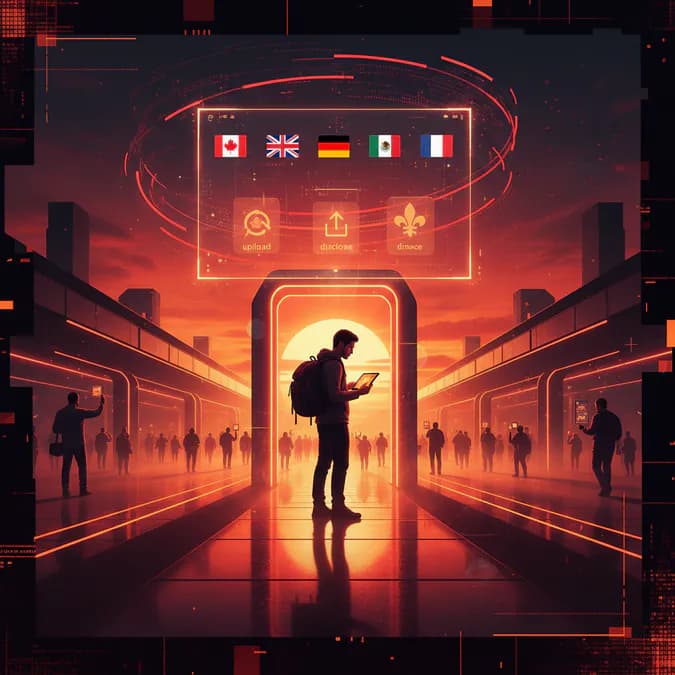
Travelers from Canada, Mexico, the U.K., Germany, and France may soon be required to disclose their social media handles when applying for entry into the U.S. This new law aims to enhance national security but raises significant privacy concerns. Here’s what you need to know about the social media disclosure requirement.
New U.S. Immigration Policy Overview
The proposed U.S. law aims to enhance national security by requiring foreign travelers to provide their social media handles during the visa application process. This initiative is part of a broader effort to vet individuals entering the country more thoroughly. The U.S. Department of Homeland Security has indicated that this measure is intended to identify potential threats and ensure the safety of U.S. citizens. According to a report by the Department, approximately 30% of visa applicants may be affected by this new requirement, highlighting its potential impact on international travel.
Countries Affected by Social Media Disclosure
The new law primarily impacts travelers from:
- Canada
- Mexico
- United Kingdom
- Germany
- France
Travelers from these countries will need to be prepared for additional scrutiny when applying for entry into the U.S., particularly when flying with airlines such as Air Canada, WestJet, Lufthansa, and British Airways.
Potential Impact on International Travel
The requirement for social media disclosure could significantly affect international travel patterns. Experts predict that travelers may reconsider their plans to visit the U.S. due to privacy concerns and the potential for increased bureaucratic hurdles. This could lead to a decline in tourism from the affected countries, impacting airlines and local economies that rely on international visitors. A recent survey indicated that 45% of travelers expressed discomfort with sharing their social media information, suggesting that this policy could deter many from visiting the U.S.
Privacy and Security Implications
While the U.S. government argues that this measure is necessary for national security, it raises significant privacy concerns. Critics argue that requiring social media information could lead to discrimination and profiling based on online activity. Additionally, there are fears about how this data will be stored, used, and potentially shared. According to privacy advocate a social media strategist, "This requirement could create a chilling effect on free speech and discourage open communication online."
Traveler Guidance and Recommendations
Travelers planning to visit the U.S. should take the following steps to prepare for this new policy:
- Stay informed about the latest updates regarding the law and its implementation.
- Review your social media accounts and consider the privacy settings you have in place.
- Be prepared to disclose your social media handles during the visa application process.
- Consider the implications of sharing your online presence and how it may affect your travel plans.
As the situation evolves, it is essential for travelers to remain vigilant and proactive in understanding their rights and responsibilities under this new law. The American Civil Liberties Union (ACLU) has stated that it is crucial for travelers to know their rights regarding privacy and data protection.
Frequently Asked Questions (FAQ)
Q: What is the social media disclosure requirement?
A: The social media disclosure requirement mandates that travelers from certain countries provide their social media handles during the visa application process to enhance national security.
Q: Which countries are affected by this new law?
A: The law primarily affects travelers from Canada, Mexico, the U.K., Germany, and France.
Q: How might this impact my travel plans?
A: Travelers may need to reconsider their plans due to privacy concerns and potential bureaucratic hurdles, which could lead to a decline in tourism to the U.S.
Conclusion
The potential requirement for social media disclosure as part of the U.S. entry process ia significant development that could reshape international travel dynamics. Travelers from Canada, Mexico, the U.K., Germany, and France should prepare accordingly to navigate this new landscape. For more information, visit the U.S. Department of State website for updates on visa policies and requirements.